• Our Mission
    • Tropical Conservation Fund: What's New?
    • Partners and Collaborators
  • Education
    • Summer Online Courses - SUNY ESF
    • Amazon Rainforest Field Research
    • Conservation Biology Certification
  • Research
    • Primate Conservation Biology
    • Conservation Genomics >
      • Night Monkey Genomics
      • Wildlife Conservation Genetics
  • Tropical Conservation Review
    • Sixth Mass Extinction
    • Rivers as Drivers of Molecular Divergence and Taxonomic Complexity in the Amazon Basin
    • Biodiversity and Extinction >
      • Value of Biodiversity
      • Amazon Extinction Crisis
      • Extinction Crisis
      • Genetic Engineering: Paths and Pitfalls
      • Consumption and Biodiversity Loss
    • Amazon Wildfires >
      • Rainforest on Fire: How Deforestation Is Drying Out the Amazon
    • Biodiversity Loss >
      • Biodiversity Collapse
      • Biodiversity and Climate Change
    • ​Rethinking Humanity’s Place on a Finite Planet >
      • The Myth of Endless Economic Growth
      • The Myth That Protected Areas Alone Are Enough
      • The Myth That Technology Will Save Us
    • Conservation Solutions >
      • Bridging Biodiversity and Agriculture: The Role of Wildlife and Pollinators in Sustainable Food Systems
      • Half Earth and Rewilding Initiatives for Biodiversity Conservation
      • Socio-bioeconomies
      • Get Involved: Biodiversity
    • Deforestation >
      • Amazon Deforestation
    • Noise Impacts on Wildlife and People
    • REDD+
    • True Cost and Ecosystem Services >
      • Deep Ecology >
        • Intrinsic Value
        • Wilderness
    • Carbon Footprint
    • Impact of Climate Change on Nature
    • Palm Oil and Extinction
    • Palm Oil
    • Infectious Disease Outbreaks
    • Plastics and Wildlife
    • Human Population Growth
    • UN biodiversity conference (Cop16)
  • Expeditions
    • Rainforest Diaries >
      • Rainforest Diaries: Chapter 1
      • Rainforest Diaries: Chapter 2
      • Rainforest Diaries: Chapter 3
    • Madre de Dios - Kosnipata
    • Madre de Dios - Puerto Maldonado
    • Field Guides
  • Certification
  • How to Help
    • Volunteer Positions
TROPICAL CONSERVATION FUND

Tropical Conservation fund

Our goal is to promote biodiversity conservation through international education programs, field research, and support of local conservation and sustainability programs in the Amazon. Types of projects include 1) community-based environmental education, 2) biodiversity offset programs, 3) support of local ecotourism, and 4) applied conservation biology research.
​
​

Biodiversity Offset Program

TCF partners with local communities to provide funding for conservation, sustainability, and healthcare projects in exchange for protection of habitat. In turn, we sell biodiversity credits associated with the long-term protection of these rainforest sites to individuals and companies who want to directly invest in nature and offset their ecological impact. Biodiversity offsets go beyond simply accounting for carbon footprint and instead incorporate all levels of direct and indirect environmental degradation associated with development, production, and consumption. TCF makes it feasible to see exactly where you can make a difference. For more information on why biodiversity loss is so important to planetary health, visit Biodiversity & Extinction. Learn more! ​​

​Community-Based Environmental Education

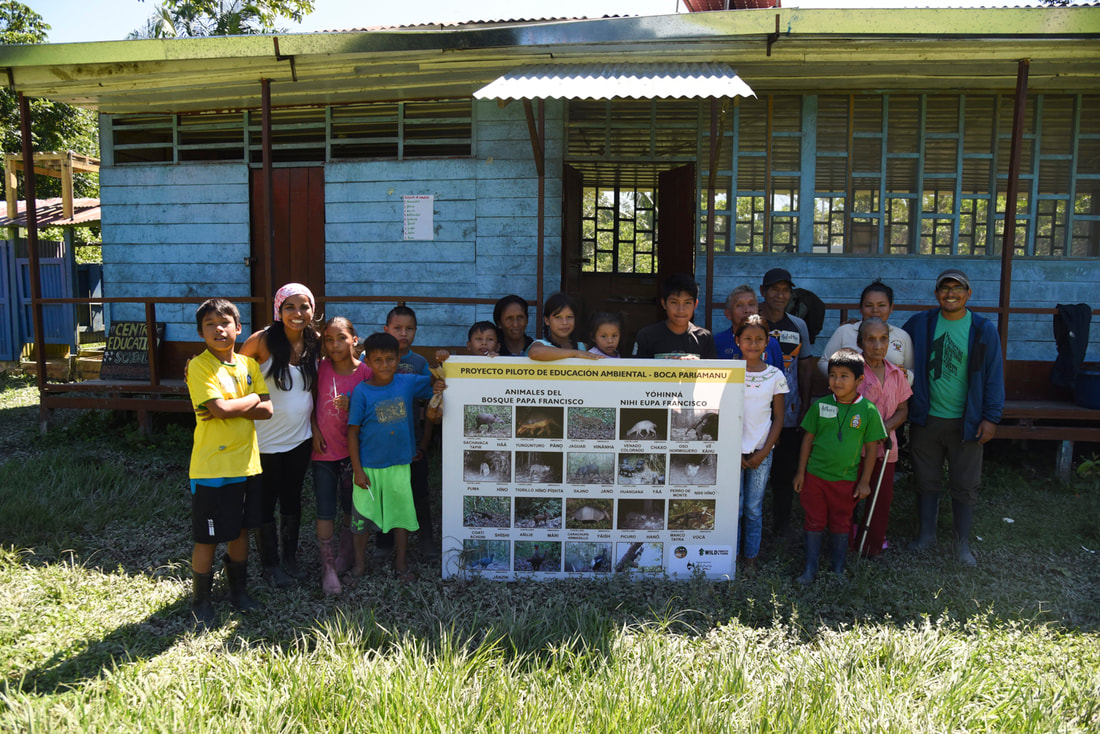
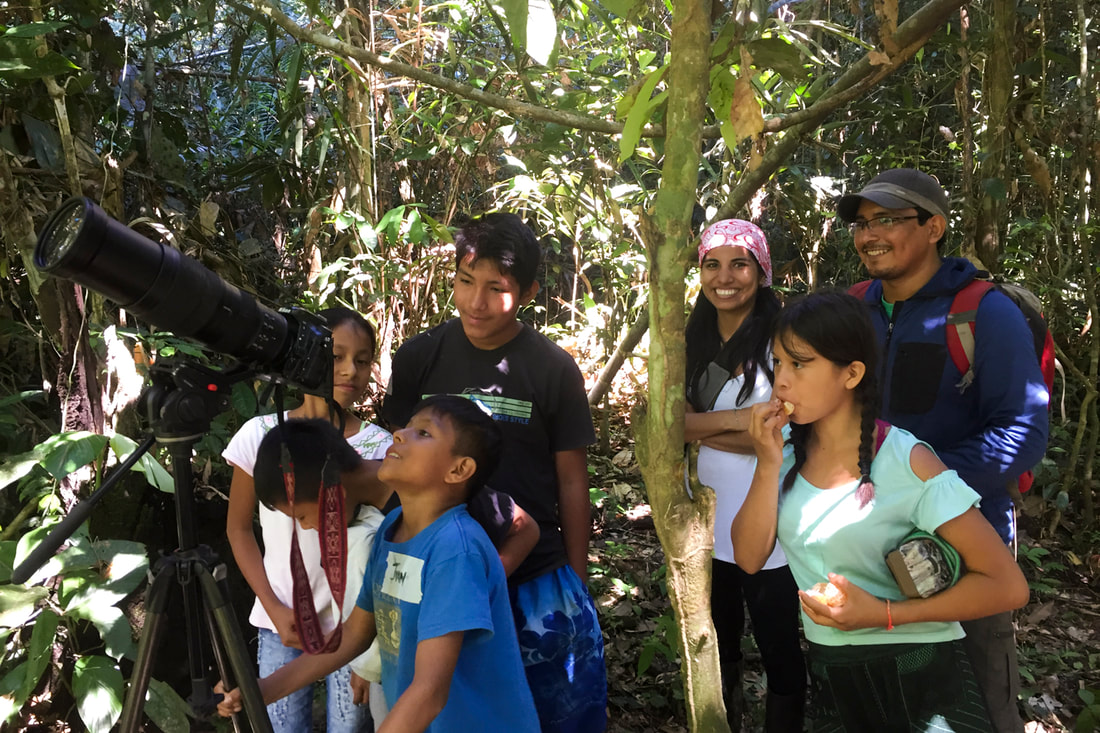
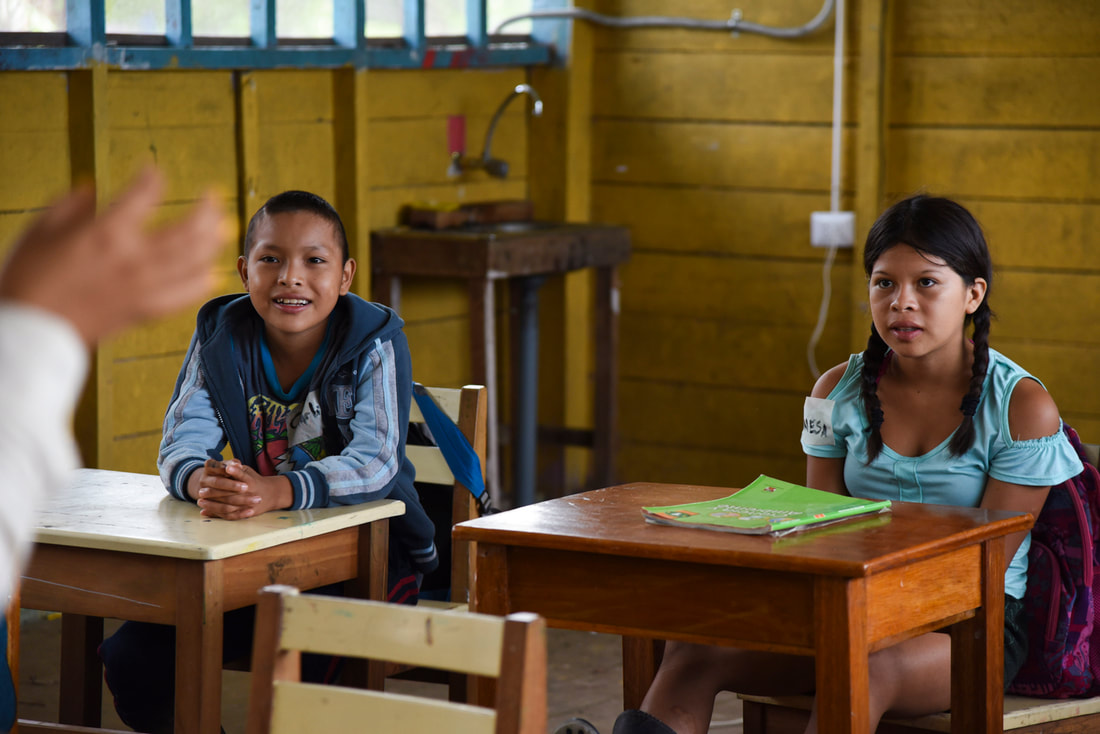
We primarily work in the Madre de Dios regions of the Peruvian Amazon. We conduct environmental education projects with children in indigenous communities. Our projects include wildlife camera trapping and identification of animals, stream ecology and water science projects, and tree and plant identification. 


Ecotourism

The Tropical Conservation Fund offers trips that are affordable, educational, adventurous, environmentally sustainable, and directly support tropical conservation programs in the biodiversity capital of the world. Some of our trips are based in Cusco, a jumping off point to the Amazon, but also centrally located to tourist sites such as Machu Picchu, the Sacred Valley, Andes Mountain treks (such as the Inca Trail, Salkantay, and Lares), and Rainbow mountains. 

All trips directly benefit our in-country conservation projects and partners, as well as contribute directly to the Amazon Biodiversity Offset program.  


​Applied Conservation Biology

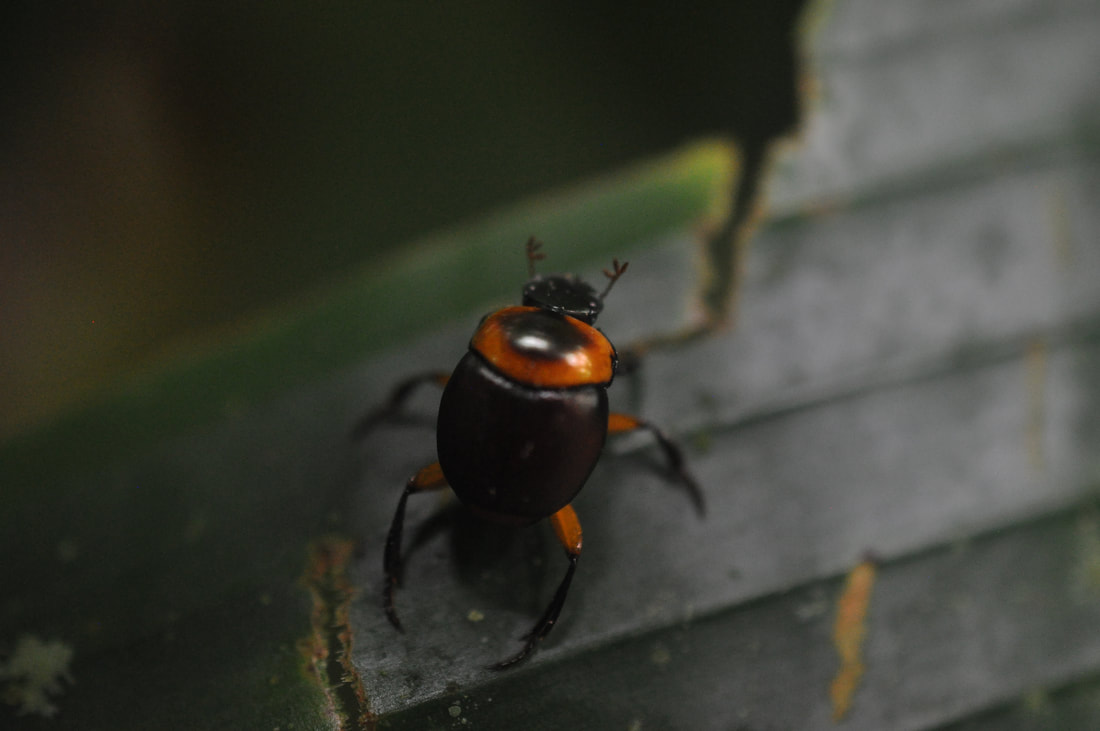
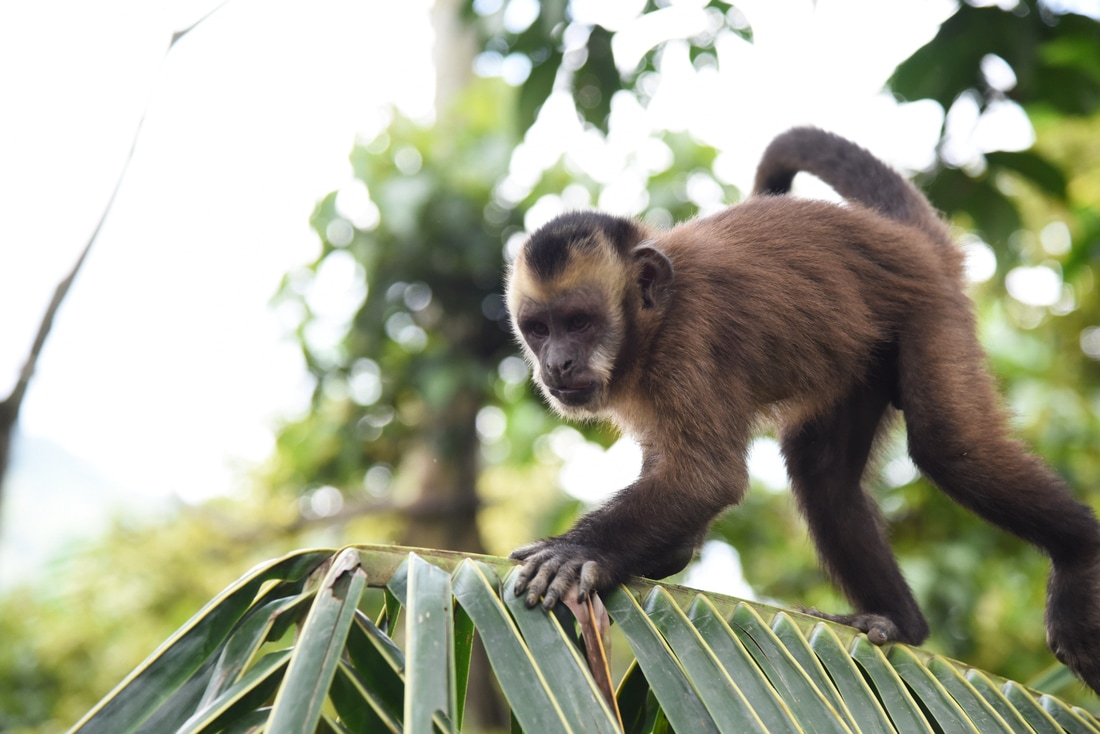
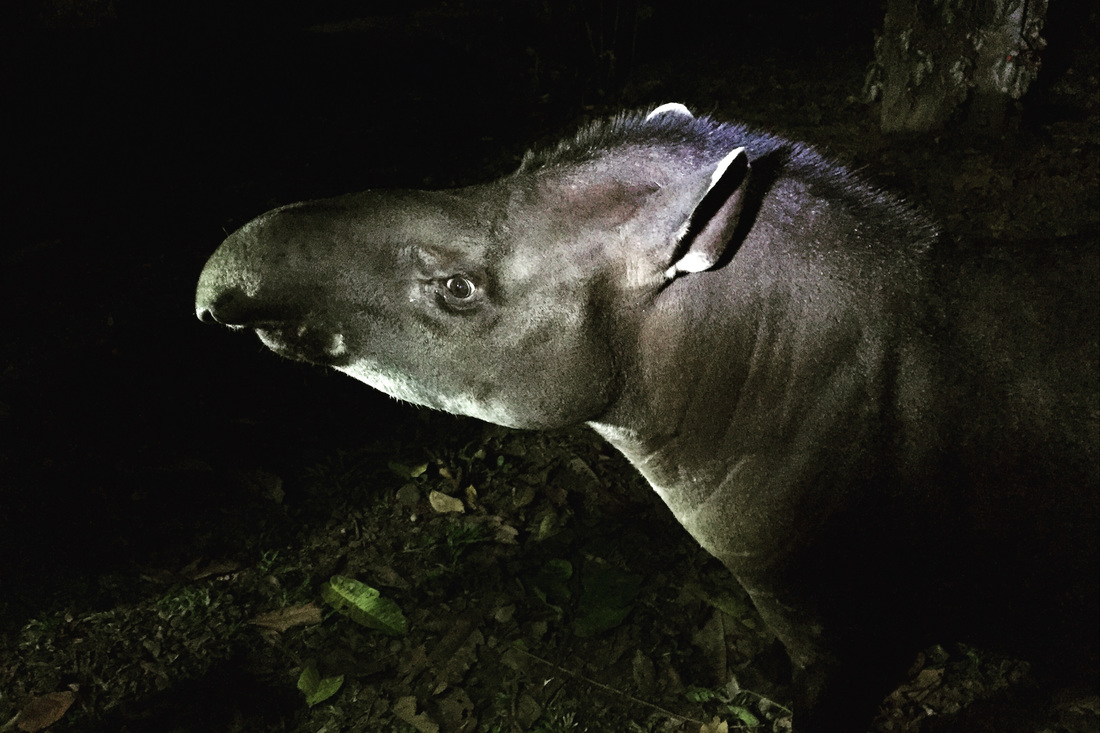
Our research takes us to some of the most remote places on the planet in order to learn more about rare, endangered, and ecologically important species, document human impacts on the planet, and work with local partners to protect habitat and wildlife.  We conduct field-based conservation-based research in the tropics, including 1) species monitoring, 2) ecology, conservation biology, and behavioral studies, 3) wildlife disease monitoring, 4) taxonomy, 5) habitat analysis, ecological niche modeling, population viability analysis, and 6) camera trapping.
Proudly powered by Weebly
  • Our Mission
    • Tropical Conservation Fund: What's New?
    • Partners and Collaborators
  • Education
    • Summer Online Courses - SUNY ESF
    • Amazon Rainforest Field Research
    • Conservation Biology Certification
  • Research
    • Primate Conservation Biology
    • Conservation Genomics >
      • Night Monkey Genomics
      • Wildlife Conservation Genetics
  • Tropical Conservation Review
    • Sixth Mass Extinction
    • Rivers as Drivers of Molecular Divergence and Taxonomic Complexity in the Amazon Basin
    • Biodiversity and Extinction >
      • Value of Biodiversity
      • Amazon Extinction Crisis
      • Extinction Crisis
      • Genetic Engineering: Paths and Pitfalls
      • Consumption and Biodiversity Loss
    • Amazon Wildfires >
      • Rainforest on Fire: How Deforestation Is Drying Out the Amazon
    • Biodiversity Loss >
      • Biodiversity Collapse
      • Biodiversity and Climate Change
    • ​Rethinking Humanity’s Place on a Finite Planet >
      • The Myth of Endless Economic Growth
      • The Myth That Protected Areas Alone Are Enough
      • The Myth That Technology Will Save Us
    • Conservation Solutions >
      • Bridging Biodiversity and Agriculture: The Role of Wildlife and Pollinators in Sustainable Food Systems
      • Half Earth and Rewilding Initiatives for Biodiversity Conservation
      • Socio-bioeconomies
      • Get Involved: Biodiversity
    • Deforestation >
      • Amazon Deforestation
    • Noise Impacts on Wildlife and People
    • REDD+
    • True Cost and Ecosystem Services >
      • Deep Ecology >
        • Intrinsic Value
        • Wilderness
    • Carbon Footprint
    • Impact of Climate Change on Nature
    • Palm Oil and Extinction
    • Palm Oil
    • Infectious Disease Outbreaks
    • Plastics and Wildlife
    • Human Population Growth
    • UN biodiversity conference (Cop16)
  • Expeditions
    • Rainforest Diaries >
      • Rainforest Diaries: Chapter 1
      • Rainforest Diaries: Chapter 2
      • Rainforest Diaries: Chapter 3
    • Madre de Dios - Kosnipata
    • Madre de Dios - Puerto Maldonado
    • Field Guides
  • Certification
  • How to Help
    • Volunteer Positions

© 2025 Amazon Conservation Initiative. All Rights Reserved.

  • Privacy Policy
  • Contact Us